

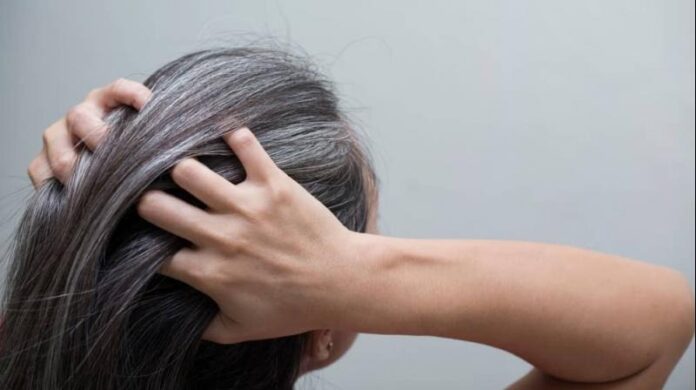
For a long time, white hair was linked to age. People accepted that hair turned gray or white naturally with growing years. But in recent times, even young adults, teenagers, and school-going children are experiencing premature white hair. The problem is no longer about age but about hidden nutritional deficiencies.
Article Contents
Experts reveal that deficiencies of two essential vitamins are among the primary reasons behind premature graying. Understanding these deficiencies, their effects, and how to address them can help maintain healthy, naturally pigmented hair for longer.
Premature White Hair: Why It Happens
Hair color depends on melanin, a pigment produced in the hair follicles. When melanin production slows down or stops, hair loses its natural color and turns white or gray.
While genetics, lifestyle, and environmental stress contribute, nutritional deficiencies also play a major role. Two vitamins—Vitamin B12 and Vitamin D—are directly linked to the premature whitening of hair.
Role of Vitamin B12 in Hair Pigmentation
Vitamin B12 is vital for the body because it supports the production of healthy red blood cells. These cells supply oxygen and nutrients to hair follicles.
A deficiency of Vitamin B12 disrupts this process and reduces melanin production. Without adequate melanin, hair strands lose their natural pigmentation and begin to appear white or gray much earlier than expected.
B12 deficiency also leads to fatigue, weakness, and neurological symptoms. But one of its less-discussed impacts is on hair health, especially pigmentation.
How to Address Vitamin B12 Deficiency
The first step is to confirm the deficiency through medical consultation and blood tests. Self-diagnosis should be avoided because symptoms can overlap with other conditions.
If confirmed, dietary adjustments are essential. Vitamin B12-rich foods include eggs, milk, meat, fish, and mushrooms. For vegetarians, fortified cereals and dairy products can help. In severe cases, doctors may recommend supplements or injections.
By replenishing Vitamin B12, the body restores normal red blood cell function and improves nourishment to hair follicles, reducing premature graying over time.
Vitamin D and Its Connection to White Hair
Vitamin D is another crucial nutrient influencing hair health. Research published in the International Journal of Trichology highlighted that children with low Vitamin D levels often developed premature white hair.
Vitamin D supports hair follicle cycling and regeneration. Without sufficient Vitamin D, follicles weaken, melanin production declines, and hair strands lose their natural pigmentation earlier than normal.
Thus, Vitamin D deficiency not only contributes to premature graying but also increases the risk of hair thinning and hair loss.
Sources of Vitamin D
The best natural source of Vitamin D is sunlight. Spending a short period outdoors daily helps the skin synthesize Vitamin D naturally.
Dietary sources also play an important role. Fatty fish, dairy products, mushrooms, and whole grains are rich in Vitamin D. In some cases, supplements may be prescribed if natural intake is insufficient.
Including these foods in daily meals and maintaining healthy exposure to sunlight can reduce the risk of premature white hair caused by Vitamin D deficiency.
Lifestyle Factors Worsening Premature White Hair
Although vitamin deficiencies are important, lifestyle factors can worsen the situation. Excessive stress, irregular sleep patterns, smoking, pollution, and chemical hair products all contribute to early whitening.
Poor diet choices further accelerate the problem by depriving the body of essential nutrients. A balanced lifestyle, along with adequate vitamin intake, is critical for preventing premature graying.
Genetic and Environmental Links
Genetics plays a significant role in determining when hair turns white. If premature graying runs in the family, chances increase for younger generations.
Environmental factors, including high pollution and chemical exposure, also damage hair follicles and reduce melanin production. When combined with vitamin deficiencies, these external factors create a stronger impact.
Preventive Measures for Healthy Hair
To prevent premature white hair, maintaining balanced nutrition is key. Ensuring regular intake of Vitamin B12 and Vitamin D through food or supplements is essential.
Equally important is a healthy lifestyle. Adequate sleep, stress management, regular exercise, and reduced use of chemical-based hair products can protect hair follicles and preserve natural pigmentation longer.
Early consultation with healthcare professionals when symptoms appear helps identify deficiencies before they worsen.
Medical Advice and Hair Health
Doctors recommend not ignoring signs like early graying, fatigue, or brittle hair. These may indicate underlying vitamin deficiencies.
Timely tests for Vitamin B12 and Vitamin D levels can provide clarity. Treating deficiencies not only benefits hair health but also improves overall well-being, as both vitamins play critical roles in multiple body functions.
Broader Health Impacts of Vitamin Deficiencies
Vitamin B12 deficiency affects the nervous system, energy levels, and brain function. Vitamin D deficiency contributes to weak bones, poor immunity, and fatigue.
Therefore, addressing these deficiencies has broader benefits beyond just hair pigmentation. Healthy vitamin levels strengthen the body holistically, improving skin, hair, and internal systems.
Premature white hair is no longer confined to aging. Nutritional deficiencies, particularly of Vitamin B12 and Vitamin D, are significant hidden reasons behind early whitening even among children and young adults.
By maintaining a balanced diet rich in these vitamins, spending time in sunlight, and seeking timely medical advice, individuals can reduce the risk of premature graying.
Healthy hair reflects overall body health. Addressing vitamin deficiencies not only preserves natural pigmentation but also enhances energy, immunity, and vitality. Recognizing the link between nutrition and hair health is the first step toward prevention.