

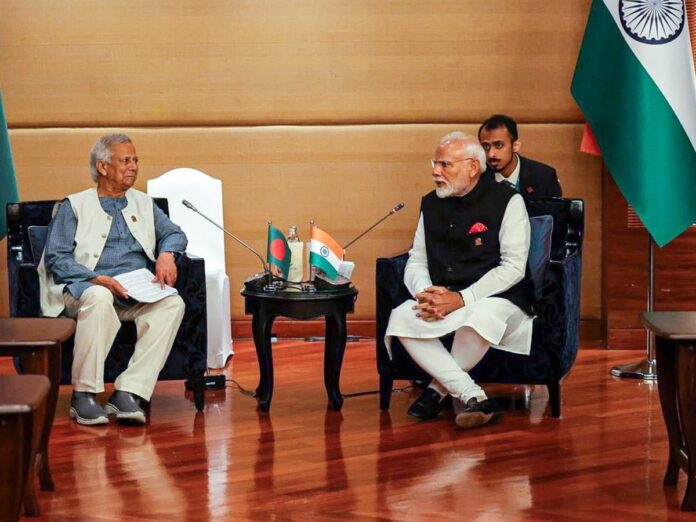
In a significant development, India is preparing to renegotiate the Ganga Water Treaty with Bangladesh, as the current agreement is set to expire next year. The 1996 Ganga Treaty has been in place for nearly three decades, governing the sharing of water from the Ganges River between the two neighboring countries. As the expiration of this agreement approaches, India seeks to modify the treaty’s terms to better align with the current needs and circumstances of both nations.
Article Contents
According to sources, both the Indian central government and state governments are in agreement over the need to revise the treaty. The change in approach comes at a time when water management issues have become increasingly important due to growing concerns about water scarcity, climate change, and the sustainable use of shared river resources.
Background of the 1996 Ganga Water Treaty
The Ganga Water Treaty was signed between India and Bangladesh in 1996 with the aim of sharing the waters of the Ganges River (known as the Padma in Bangladesh) in an equitable manner. Under the treaty, both countries agreed to share water from the Ganges during the dry season (January 1 to May 31) when the river’s flow decreases significantly. The agreement stipulated that water be released at the Farakka Barrage in India to ensure adequate water supply downstream in Bangladesh.
This treaty has been a cornerstone in India-Bangladesh relations, as it addressed the critical issue of water sharing between the two countries, which share numerous rivers. However, over the years, the treaty has come under scrutiny due to shifting environmental conditions, demographic changes, and evolving economic needs of both nations.
Reasons for Revisiting the Treaty
As the 1996 Ganga Water Treaty nears its expiration in 2026, India is now keen on renegotiating certain clauses to ensure more equitable and sustainable management of the Ganges River. There are several reasons why India is seeking to modify the agreement:
-
Climate Change Impact: The effects of climate change have led to irregular rainfall patterns and altered river flows, making it necessary to re-assess how water sharing is managed. The traditional formula in the treaty no longer adequately addresses these challenges.
-
Water Scarcity and Increasing Demand: Both India and Bangladesh are facing increasing water demands, particularly during the dry season. As populations grow and agricultural and industrial demands rise, the Ganges River has become a critical resource that needs to be more effectively managed.
-
Changing Environmental Conditions: The ecological health of the Ganges River has been a subject of concern, with pollution, excessive water extraction, and reduced water flow affecting both the environment and communities dependent on the river for livelihoods.
-
Political and Economic Shifts: Since the signing of the treaty, both India and Bangladesh have undergone significant political and economic changes. The demands of a rapidly growing population and economic development in both countries necessitate a reassessment of the agreement’s terms.
-
Regional Cooperation and Diplomacy: The shift in India’s approach to the treaty could also be seen as part of its broader diplomatic strategy to strengthen ties with Bangladesh. This modification presents an opportunity to demonstrate India’s commitment to collaborative and forward-looking relations with its eastern neighbor.
Government Consensus on Revising the Treaty
Sources indicate that both the central government of India and the state governments, particularly those in regions that rely on the Ganges’ waters, have reached a consensus regarding the need to update the treaty’s terms. The central government is expected to initiate formal negotiations with Bangladesh, with the aim of revising the existing framework to reflect current realities.
The involvement of state governments, especially those from the Ganges Basin in India, such as Uttar Pradesh, Bihar, and West Bengal, will be crucial. These states play a central role in managing the river’s resources, and their inputs will be essential in shaping the revised agreement.
Key Areas of Focus in the New Agreement
While the exact terms of the revised treaty have yet to be finalized, it is expected that the new agreement will focus on several key areas:
-
Water Allocation: A reassessment of how much water should be allocated to each country, based on updated data regarding river flow, environmental concerns, and changing agricultural needs. This may involve flexibility in water sharing during periods of drought or low water levels.
-
Environmental Protection: Measures to protect the Ganges from pollution and over-exploitation, ensuring that both countries benefit from the river’s water without compromising its ecological health. Joint initiatives for river cleanup and sustainable water use may be part of the new agreement.
-
Long-term Water Management: Collaborative efforts on water conservation, flood management, and irrigation could become a focal point of the revised treaty. This could include the sharing of technology, data, and best practices for efficient water usage and river basin management.
-
Monitoring and Dispute Resolution: A more robust framework for monitoring the river’s flow and resolving any potential disputes related to water sharing. This could involve the establishment of a joint commission to oversee the management and implementation of the agreement.
-
Climate Change Adaptation: Acknowledging the impact of climate change on water resources, the revised treaty may include provisions for adapting to changing river flows, ensuring water security for both countries in the face of unpredictable weather patterns.
India-Bangladesh Dialogue on Water Sharing
The renegotiation of the Ganga Water Treaty is expected to be a highly diplomatic process, requiring constructive dialogue between India and Bangladesh. Given the importance of the river to both nations, the outcome of these talks will have far-reaching implications for their bilateral relations.
India has consistently emphasized the need for cooperation with Bangladesh on shared water resources, and this renegotiation offers an opportunity to reinforce this commitment. The success of these talks will depend on both countries’ willingness to engage in mutually beneficial agreements that account for their respective needs and priorities.
The outcome of these discussions could also set a precedent for managing shared river systems across South Asia, providing a framework for resolving water disputes in the region in the future.
Looking Ahead: The Future of the Ganga Water Treaty
As India and Bangladesh prepare for talks on revising the Ganga Water Treaty, it is clear that both nations face growing pressure to manage their shared water resources more effectively. The renewal of the agreement will not only address the immediate concerns of water sharing but also lay the foundation for a more sustainable and cooperative future.
With climate change, population growth, and evolving political landscapes, the need for a forward-looking agreement that balances the interests of both countries is critical. The renewed Ganga Water Treaty will play a pivotal role in shaping the future of India-Bangladesh relations and ensuring that the Ganges River continues to sustain both nations for generations to come.
As the Ganga Water Treaty approaches its expiration date in 2026, India’s decision to revisit the agreement with Bangladesh is a timely and necessary step. The new treaty must address the current challenges of water scarcity, climate change, and pollution while fostering cooperation between the two nations. With both governments on board, the updated agreement could pave the way for a stronger, more sustainable partnership focused on the shared future of the Ganges River and the millions who depend on it.