

Kathmandu witnessed unprecedented turmoil after two days of violent protests and political unrest. The government led by KP Sharma Oli collapsed, leaving a power vacuum in the Himalayan nation. To stabilize the situation, the Nepal Army has stepped forward and assumed control. The army has indicated that its immediate priority is to restore law and order. Looting, arson, and clashes had pushed the capital into chaos, making urgent intervention necessary.
Article Contents
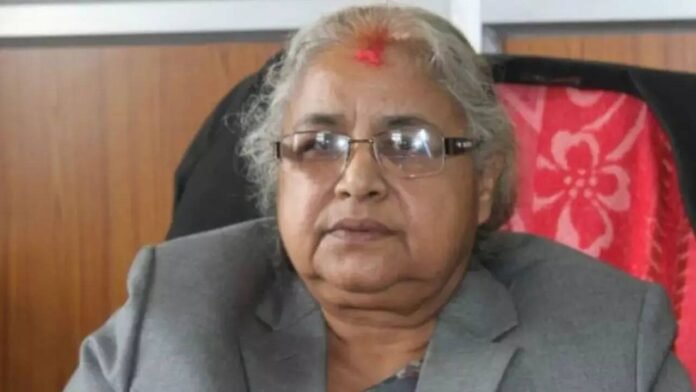
Army chief General Ashok Raj Sigdel has moved swiftly to build a political consensus. He has convinced former Chief Justice Sushila Karki to accept the role of interim executive head. According to military sources, this decision is seen as a turning point in efforts to guide Nepal out of its crisis. A high-level meeting is scheduled at the Army Headquarters to finalize details of the new arrangement.
Midnight Meetings and Political Persuasion
General Sigdel did not reach this decision overnight. Sources confirm that he held multiple rounds of talks with leaders of the Gen Z movement and other influential figures. These discussions continued until late into the night. Around 2 a.m., he personally visited Sushila Karki’s residence in Dhapasi. He urged her to take responsibility and lead Nepal during this difficult transition.
Initially, Karki hesitated and expressed reluctance to assume such a role. After nearly fifteen hours of intense persuasion and requests from several groups, she finally agreed. Leaders of the Gen Z youth movement also formally urged her to accept the post. This unified push from civil society and political forces strengthened General Sigdel’s plan for an interim administration.
Balendra Shah Extends Support
Kathmandu Mayor Balendra Shah, popularly known as Balen Shah, was also considered for the interim leadership. His name was in discussion during the early stages of negotiation. However, Shah declared his support for Sushila Karki, saying she was the most suitable candidate for the role.
His endorsement gave further legitimacy to her appointment. The support from young leaders and urban constituencies played a critical role in removing doubts. With Shah’s backing, the army’s proposal now appears to have broad acceptance. This marks a significant step toward a Bangladesh-style governance model, where the military supervises an interim authority until stability returns.
Army Outlines Key Priorities
In his internal communication, General Sigdel highlighted the immediate tasks of the army-backed interim government. The top priority is to bring normalcy to the streets by controlling violence and ensuring public safety. Restoring peace has been described as the foundation of all further political processes.
The general also stressed the need to bring all political parties and youth groups to the negotiation table. He believes dialogue is the only way to chart a new political direction. A common minimum program is expected to be finalized soon. Sources suggest that the interim government could be announced by Thursday or Friday.
First Woman Chief Justice to Lead the Nation
Sushila Karki carries historic significance in Nepal’s judiciary. She was the first woman to serve as Chief Justice of the Supreme Court. She retired in June 2017, but her tenure was marked by dramatic challenges. Before her retirement, opposition parties in parliament had filed an impeachment motion against her. However, the motion was withdrawn once she stepped down, sparing the judiciary a constitutional confrontation.
Her acceptance of the interim executive role now places her at the center of Nepal’s fragile democracy. Karki is expected to oversee a new constitutional process under army supervision. The current constitution, which came into force a decade ago, is widely viewed as ineffective in the present crisis. Analysts suggest that the new process could redefine Nepal’s political future.
Warning From the Army Earlier This Year
This development also brings attention to earlier warnings issued by the army. In March 2025, General Sigdel had cautioned Prime Minister Oli not to arrest or detain former King Gyanendra Shah. The military had made it clear that any such action would be unacceptable. This statement reflected the army’s continued role as a guardian of stability, even though it had formally distanced itself from politics since 2006.
The Royal Nepal Army was renamed Nepal Army after the abolition of monarchy and the country’s shift to a secular republic. The institution had publicly committed to staying away from political disputes. Yet, moments of crisis often brought the military back into the picture.
Historical Role of the Nepal Army in Politics
Nepal’s army has played decisive roles in previous political turning points. In May 2009, then Prime Minister Pushpa Kamal Dahal, also known as Prachanda, attempted to dismiss army chief Rookmangud Katwal. This move triggered a constitutional standoff. President Ram Baran Yadav rejected the decision, forcing Prachanda to resign. The episode highlighted the army’s strong position in Nepal’s power structure.
Today’s scenario bears some resemblance to that period. The army again finds itself intervening to protect stability, this time under General Sigdel’s leadership. Unlike in the past, however, the military is not directly taking executive power. Instead, it is placing Sushila Karki as the civilian face of an interim government.
Gen Z Movement Gains Recognition
The Gen Z movement has been one of the most active forces behind the recent protests. Young Nepalis, frustrated with corruption and lack of opportunities, took to the streets in large numbers. Their demand for accountability and reforms intensified after political deadlock deepened earlier this year.
By engaging with Gen Z leaders, General Sigdel has acknowledged their role in shaping the future. Their decision to support Sushila Karki suggests a generational shift in Nepalese politics. It also highlights the importance of involving youth voices in the country’s decision-making process.
International Reactions Expected
Nepal’s sudden transition is expected to draw close attention from international observers. India, China, the United States, and European nations all maintain significant interests in Nepal’s stability. A Bangladesh-style arrangement could be welcomed if it ensures peace and prevents further unrest.
Diplomatic sources suggest that neighboring countries will adopt a cautious approach. They are likely to observe how the interim government is structured and how inclusive it becomes. For Nepal, foreign recognition of the new authority will be crucial for international legitimacy and economic support.
Possible Roadmap Ahead
The path ahead for Nepal remains uncertain but structured around several expected steps. First, law and order must be restored in Kathmandu and other urban centers. Once stability returns, the interim government will likely focus on constitutional reforms. The decade-old constitution may be revised to address unresolved disputes on federalism, minority rights, and governance.
Analysts believe that Sushila Karki’s leadership could help mediate between conflicting groups. Her reputation for judicial integrity provides her with credibility across the political spectrum. The army’s backing adds institutional strength to her authority, though concerns about democratic accountability will remain.
Challenges Before the Interim Government
Despite optimism, the interim arrangement will face significant hurdles. Restoring public trust after violent unrest is not an easy task. Youth movements expect immediate reforms, while traditional political parties may resist losing their influence. Balancing these competing expectations will test Karki’s leadership.
Economic concerns are another challenge. Protests have already disrupted businesses and tourism, key sectors for Nepal’s fragile economy. Without quick stabilization, financial hardship could deepen public anger. International aid and cooperation may become vital to sustain the interim administration.
Looking Back, Looking Forward
Nepal’s political journey since the end of monarchy in 2006 has been turbulent. The country experimented with coalition governments, faced repeated constitutional deadlocks, and endured frequent leadership changes. The current crisis is the latest reminder of the fragile nature of its democracy.
By appointing Sushila Karki, the army seeks to provide a non-partisan and credible leadership figure. Whether this experiment succeeds will depend on how effectively the interim government engages citizens and addresses structural problems.
Nepal stands at a defining moment in its modern history. The army’s intervention has once again changed the political landscape. With Sushila Karki accepting the role of interim executive head, hopes for stability are rising. The support from youth groups, political leaders, and city officials like Balendra Shah gives her leadership a strong foundation.
However, the challenges are immense. Restoring law and order, rebuilding trust, and creating a new political roadmap will require careful negotiation. The world is watching as Nepal attempts to balance democratic aspirations with the need for immediate stability.
This transition, shaped by protests, army intervention, and judicial leadership, may set the tone for Nepal’s future governance. For citizens, the ultimate hope remains a peaceful, accountable, and inclusive political order.