



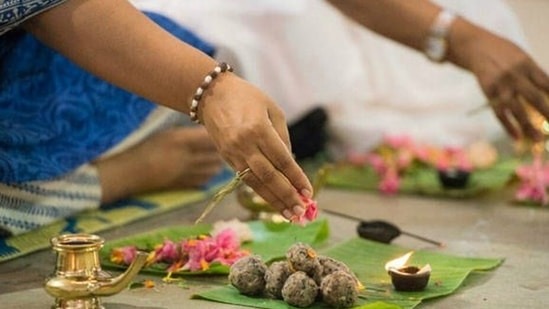
In India, rituals connected with ancestors hold deep cultural and spiritual significance. Among them, Pitru Paksha is one of the most important observances, where people perform offerings for the peace of their ancestors’ souls. Each year, millions of devotees travel to Gaya in Bihar, considered one of the holiest sites for performing Pind Daan. Here, rituals are conducted on the banks of the Phalgu River and on various sacred altars. But in Gaya, there is one exceptional temple where people do something extraordinary. At this place, devotees perform their own Shraddha rituals while still alive, offering Pind Daan for themselves.
Pitru Paksha and the Importance of Ancestors
Pitru Paksha, observed from the full moon of Bhadrapada month to the new moon of Ashwin month, is dedicated to honoring ancestors. Families across India remember deceased parents, grandparents, and forefathers through prayers, food offerings, and rituals. Ancestors are regarded as Pitru, and according to Hindu belief, offering charity and performing rites for them ensures peace for their souls. It is believed that these acts bring blessings from forefathers, ensuring prosperity, happiness, and spiritual protection for the family.
Traditionally, Pind Daan is always performed by descendants after the death of a family member. A son or close relative carries out the rituals for the departed soul. But in Gaya, a unique practice has developed over centuries where an individual can perform Pind Daan for themselves while alive. This exceptional ritual is associated with the Janardan Vedhi Temple, known as the temple of self-shraddha.
Gaya – The Land of Pind Daan
Gaya in Bihar holds immense spiritual importance. The sacred city has been linked to ancestor rituals for thousands of years. It is believed that once a person performs Pind Daan in Gaya, the soul of the departed attains peace and liberation from the cycle of rebirth. The Phalgu River flowing through Gaya is central to these rituals.
Mythology connects Gaya to Lord Rama. It is said that Rama, along with his brothers, performed Pind Daan for King Dasharatha, their father, on the banks of the Phalgu. This event set the tradition of performing ancestor rituals in Gaya. Since then, devotees from across India have been coming to Gaya to free themselves from Pitru Rin—the debt to their ancestors. The belief is that after Pind Daan in Gaya, nothing more remains to be done for the forefathers.
Amid these sacred traditions, one site in Gaya stands out. This is the Janardan Vedhi Temple, the only place where a person can perform their own Shraddha and offer Pind Daan for themselves.
The Temple of Self-Shraddha
The Janardan Vedhi Temple in Gaya is unique in the entire country. Unlike other places where only the departed are remembered, this temple allows people to perform their own Pind Daan. It is the only site among Gaya’s many sacred altars where such a practice is observed.
In total, Gaya has 54 Pind Vedis and 53 sacred locations where Pind Daan is offered. But Janardan Vedhi Temple is the only altar specifically dedicated to self-shraddha. The temple stands near the Mangla Gauri Temple on Bhusmakoot mountain, in the northern region of Gaya. According to belief, Lord Vishnu himself accepts the Pind offerings here in the form of Janardan Swami.
This makes the temple a spiritual site of rare importance, drawing devotees who wish to complete their own shraddha during their lifetime.
Why People Perform Their Own Shraddha
Not everyone is expected to perform self-shraddha. Specific reasons motivate people to undertake this unusual ritual. Those who do not have children or close family members often worry about who will perform their shraddha after death. To ensure peace for their soul, they visit the Janardan Vedhi Temple and complete their own ritual while alive.
Apart from them, people who renounce worldly life also come here. Individuals choosing the path of renunciation or asceticism, who have left behind family ties, perform their own shraddha to attain spiritual closure. By offering Pind Daan for themselves, they believe they secure peace and liberation in the afterlife.
This ritual, known as Atma Shraddha, gives a person the assurance that their obligations toward their ancestors and their own journey after death have been fulfilled.
Rituals at the Janardan Vedhi Temple
The rituals of self-shraddha follow a similar process to traditional Pind Daan. Devotees first take a holy dip in the Phalgu River, believed to cleanse sins and prepare them for the ceremony. Priests then guide them through chants, offerings, and the sacred act of offering Pind—small rice balls made with sesame and barley flour.
The offering is placed at the Janardan altar, where Lord Vishnu in the form of Janardan Swami is believed to receive it directly. Unlike other rituals, this one is performed for the individual themselves. The priest recites prayers asking for peace and liberation of the soul of the devotee who is still alive.
After the ritual, devotees often express a sense of inner calm and spiritual relief. Many describe it as completing their responsibilities toward ancestors and themselves in one lifetime.
Cultural and Spiritual Importance
The Janardan Vedhi Temple highlights the depth of India’s spiritual traditions. While most cultures wait until after death for memorial rituals, this temple allows people to prepare for their journey while alive. It reflects the Hindu belief in life, death, and rebirth as a continuous cycle where liberation can be consciously prepared for.
The ritual of self-shraddha also brings comfort to those without families. It ensures that no soul is left without the blessings of rituals that lead to peace. By providing a sacred place for such people, the temple becomes a site of hope and assurance.
Gaya as a Pilgrimage Destination
Every year, especially during Pitru Paksha, Gaya attracts lakhs of devotees from all corners of India and abroad. Pilgrims arrive with the belief that rituals performed here carry unmatched significance. Priests of Gaya are known for preserving ancient traditions and guiding families through detailed ceremonies.
The Janardan Vedhi Temple adds another dimension to Gaya’s reputation. Devotees who come for traditional rituals also visit this temple to witness or perform self-shraddha. Its rare status makes it a center of curiosity as well as reverence.
The Link Between Shraddha and Liberation
In Hindu belief, performing shraddha is not merely a ritual but a spiritual duty. Ancestors are considered part of the Pitru Lok, a realm where souls wait for liberation. By performing Pind Daan and offering prayers, descendants help their ancestors move forward in their spiritual journey.
Self-shraddha, however, extends this concept further. It reflects a person’s conscious effort to prepare for their own liberation. It is an act of responsibility and spiritual foresight. For many, it becomes a way to ensure that no obligations remain unfulfilled at the end of life.
The Janardan Vedhi Temple in Gaya stands as a symbol of India’s unique spiritual traditions. While the rest of the world associates shraddha only with the departed, this temple allows a person to perform their own rituals while alive. From renunciates to childless individuals, many find solace in completing their obligations through self-shraddha.
Gaya continues to be a sacred destination for Pind Daan and ancestor rituals, but the presence of this rare temple makes it even more special. It reminds us that spiritual life in India is not only about honoring the past but also about preparing consciously for the future.



Discover more from
Subscribe to get the latest posts sent to your email.


